
What inspired you to start the Baltimore City College Writing Center?
I founded the Baltimore City College Writing Center in 2014, ten years into my tenure as an English teacher at Baltimore City College High School. The center was born out of my personal experiences and challenges navigating educational spaces when I first moved to the United States as a non-native English speaker. It was also born out of my experiences and observations as a classroom teacher.
When I first moved to the States, I experienced a series of educational obstacles that shaped my career. Rather than feeling welcomed and included, I felt dismissed, displaced, and disregarded. Some of my earliest memories include watching my peers participate in reading circles and spelling bees that I was excluded from as an ESOL student. My most jarring memory, the one that fueled my commitment to educational activism and equity, stems from the time I inadvertently walked in on two of my teachers talking about me after school. I overheard them lamenting the fact that I was destined to be a failure because I would never fully and fluently learn English. That memory has stayed with me for a lifetime and it continues to inform the work I do both in and out of the classroom.
Not only was the writing center born out of my own personal experiences as a student on the outside looking in (both literally and figuratively), but it was also born out of my professional experiences and observations as a classroom teacher. When I first started teaching, I noticed a distinct gap in the accessibility and demographics of our higher level academic programming. Despite the fact that our school is predominantly African American, the students enrolled in our higher level classes were predominantly White. Few of our students were registered for International Baccalaureate courses and the ones who were did not broadly represent the demographics of our urban, public school. Not only did the courses feel imbalanced, but we, as educators, carried student loads that precluded us from being able to provide the level of individualized support we wanted to be able to pour into each and every single one of our students. These factors converged and led me to conclude that we needed to innovate in such a way that would ensure that all of our students receive the academic and social-emotional support necessary to not only enroll in our highest level classes, but to also succeed in them. And that’s how the writing center was born.
We view this work not only through an academic lens, but through a social-emotional one as well. Our tutors are trained to provide support for the whole student.
What makes Baltimore City College Writing Center different from other writing centers?
Writing centers are incredible communities of collaborative learners and, while we all share many fundamental and logistical similarities, each center is unique in its design. Our center, in particular, is rooted in social justice work and in our very clear, explicit, and fundamental commitment to equity. This commitment is articulated in our mission statement which focuses heavily on our efforts to build student confidence and cultivate a growth mindset as well as in our tutor training which explicitly centers social and restorative justice, especially as it relates to our discussion of the achievement gap that exists on a national level as well as a district level.
We view this work not only through an academic lens, but through a social-emotional one as well. Our tutors are trained to provide support for the whole student. We begin our sessions with mental health checks to ensure that our clients are feeling comfortable and ready to work. While these checks can be as brief and informal as asking our clients how they are feeling or how their day is going, they are essential in determining the direction of our sessions. One of our senior tutors recently reflected on the importance of prioritizing mental health in the writing center. She writes,
“Through my experience as a tutor as well as a student I know first hand that mental health is prioritized within the Writing Center. Through my sessions I always ask my clients how they are feeling. This does not only apply to clients, but to myself as a tutor as well. We cannot help others to our best ability if we are not in the best mental capability to do so.”
Our commitment to prioritizing the mental health and well-being of both our clients and our tutors ensures that the writing center is a safe space that not only acknowledges, but also understands and empathizes with the fact that students face a myriad of challenges outside the classroom that may prevent them from focusing on their schoolwork. It is not unusual for our writing center sessions to initiate further conversations with teachers, guidance counselors, or school psychologists in an effort to provide our clients with more wrap around services.
Not only are we committed to supporting our clients’ well-being, but we are also committed to growing their academic confidence. Many of our clients come to us at the beginning stages of the writing process feeling blocked by their ability to generate what they deem to be strong ideas. While our clients have no shortage of phenomenal ideas, they are often stifled by a lack of self-confidence stemming from years of critical feedback. As a result, our tutors spend much of their time actively listening to their clients in an effort to make them feel seen and heard and to validate their thinking by providing them with positive affirmations and reinforcements. These strategies are essential to our fundamental goal of nurturing academic confidence and fostering a growth mindset. While we are thrilled to bear witness to the clear and measurable academic growth of our clients, we measure our success in our ability to make our clients feel good about themselves. We end our sessions with client surveys and are very proud of the fact that each and every survey yields positive feedback indicating that our clients feel supported.
Tell us more about your peer consultants: how are they prepared to support the writers?
Students who are interested in working in the writing center are invited to apply and interview to become tutors. Our applications are open to all students regardless of academic standing because we believe that every student has the ability to become an exceptional tutor. Our tutors are responsible for conducting interviews as well as for hiring new tutors, thereby underscoring our commitment to a truly peer-run and led program. Current tutors are also responsible for training our new hires at the beginning of each new academic year. Our month-long tutor training program consists of an overview of our social justice philosophies, restorative justice practices, and non-directive tutoring strategies, as well as an intensive review of each stage of the writing process.
We pair this instruction with weekly mock sessions that culminate in the development of an academic essay that tutors use to review, refresh, and strengthen their own writing. While our initial training program takes place in September, we continue to hone our skills throughout the year through post-session debriefs and tutor meetings to discuss and implement new initiatives as well as to review assignments that our clients are working on in session. Not only do our tutors develop academic and social-emotional support skills through their work, but they also develop the important leadership skills used to run the center. As tutors, they hire, train, write curriculum, implement curriculum, schedule sessions, deliver conference presentations, and communicate with teachers and administrators both within and outside of our school community. These highly sophisticated and transferable skills uniquely position them for university applications, scholarships, tutoring positions on the college level as well as jobs in the workforce.
Because we believe in the radical and transformative power of writing center work, we decided to reach outside our school community to offer peer tutor training to middle and high schools in our district.
Who do you hope to impact through this program?
Our writing center prides itself on being a safe, inclusive, and welcoming support space for students by students – one that not only provides academic support, but one that also ensures that students feel deeply and fundamentally valued. As a result of our holistic, student-centered approach to academic support, we were ultimately able to see an increase in the number of students who not only pursue the IB diploma program, but also succeed in the program. Prior to opening the center, only 20% of our student body were taking IB level courses. By 2017, just three years after opening our center, 100% of our students were enrolled in IB courses. Not only were they enrolled, but they were succeeding and thriving in their coursework and on the IB exams. We also work closely with several specific and targeted cohorts of students ranging from ninth graders who are new to our school to seniors who are not on track to graduate. We pair these students with tutors who can provide support and monitor their progress throughout the year, thereby increasing success rates for a specific subset of academically vulnerable students.
The beauty of this work is that it yields positive outcomes for both clients and tutors. We have seen attendance rates increase and academic performance increase for both groups, which speaks to the power of collaboration and community support. Because we believe in the radical and transformative power of writing center work, we decided to reach outside our school community to offer peer tutor training to middle and high schools in our district. In 2018, we started providing professional development conferences for students, teachers, and administrators district-wide. Our free, peer-led tutoring conferences were designed to equip attendees with the immediate and practical knowledge needed to start peer tutoring programs of their own. Over the course of the last several years, we have presented to the majority of middle and high schools in our district along with county schools and private schools, thereby expanding our scope and reach.
Our work within our school community and in the community at large has … led us to earn our very first monetary award in the form of a $20,000 grand prize from the Johns Hopkins Social Innovation Lab. … Through our non-profit, the Believe and Achieve Peer Tutoring Association (BAPTA), we are now able to pay our tutors for their labor, thereby providing employment opportunities to both current students as well as graduates of our program.
What other milestones has the Baltimore City College Writing Center recently met?
Any and all writing center impact is a direct reflection of the hard work of our incredible tutors. In our first year as a writing center, we provided approximately 500 peer tutoring sessions to our student body. That number has grown exponentially and we now average over 2,000 sessions a year which serves as a beautiful testament to the faith our school community puts in our work. Our surveys report that 100% of our students feel supported and validated in session which is what encourages them to return day after day and year after year. In our ten years of service, we have provided approximately 15,000 free peer tutoring sessions to thousands of students.
Our work within our school community and in the community at large has earned us commendations from our city council and the state of Maryland, and even led us to earn our very first monetary award in the form of a $20,000 grand prize from the Johns Hopkins Social Innovation Lab. Because of the generosity of the SIL program, we were able to start a nonprofit with the goal of supporting urban public schools in their efforts to start peer tutoring programs of their own.
Through our non-profit, the Believe and Achieve Peer Tutoring Association (BAPTA), we are now able to pay our tutors for their labor, thereby providing employment opportunities to both current students as well as graduates of our program. We plan on continuing this work with the goal of opening a peer tutoring program in every urban public school in the nation. Our aim is to provide each student with the opportunity to succeed at the highest levels, thereby closing the achievement gap and creating the kind of equity that can only be achieved collectively and collaboratively.
What advice would you offer others who are interested in creating a writing center for the wider community?
Do it. And start now.
When I founded the writing center ten years ago, I did not have any writing center experience, but what I did have was a strong and urgent desire to create an inclusive, welcoming space for students, one where they could take control of their own learning. I knew that our kids needed it, and I knew that they would thrive in leadership positions if given the opportunity.
I educated myself on writing center pedagogy and developed a curriculum that reflected writing center practice on the college level given the fact that writing centers are exceedingly rare on the high school level and especially rare in urban public schools. When we first opened, we worked on paper, without technology, and out of a classroom that had been abandoned because it was deemed too small to accommodate a full-size class.
Every day presented new trials and new errors, but it also provided us with an opportunity to grow into the kind of center we wanted to become and knew we could become. Most importantly and fundamentally, we remained committed to creating a space where our students could feel capable and empowered. The growth and success of our center led to the creation of a math and science center using the same model and to the creation of a non-profit with a national vision.
While much has changed in the last ten years, the heart of the work has remained the same. And that work is critical. Trust yourself, trust your team, and wait for the magic to happen. Because it will.

About the Author
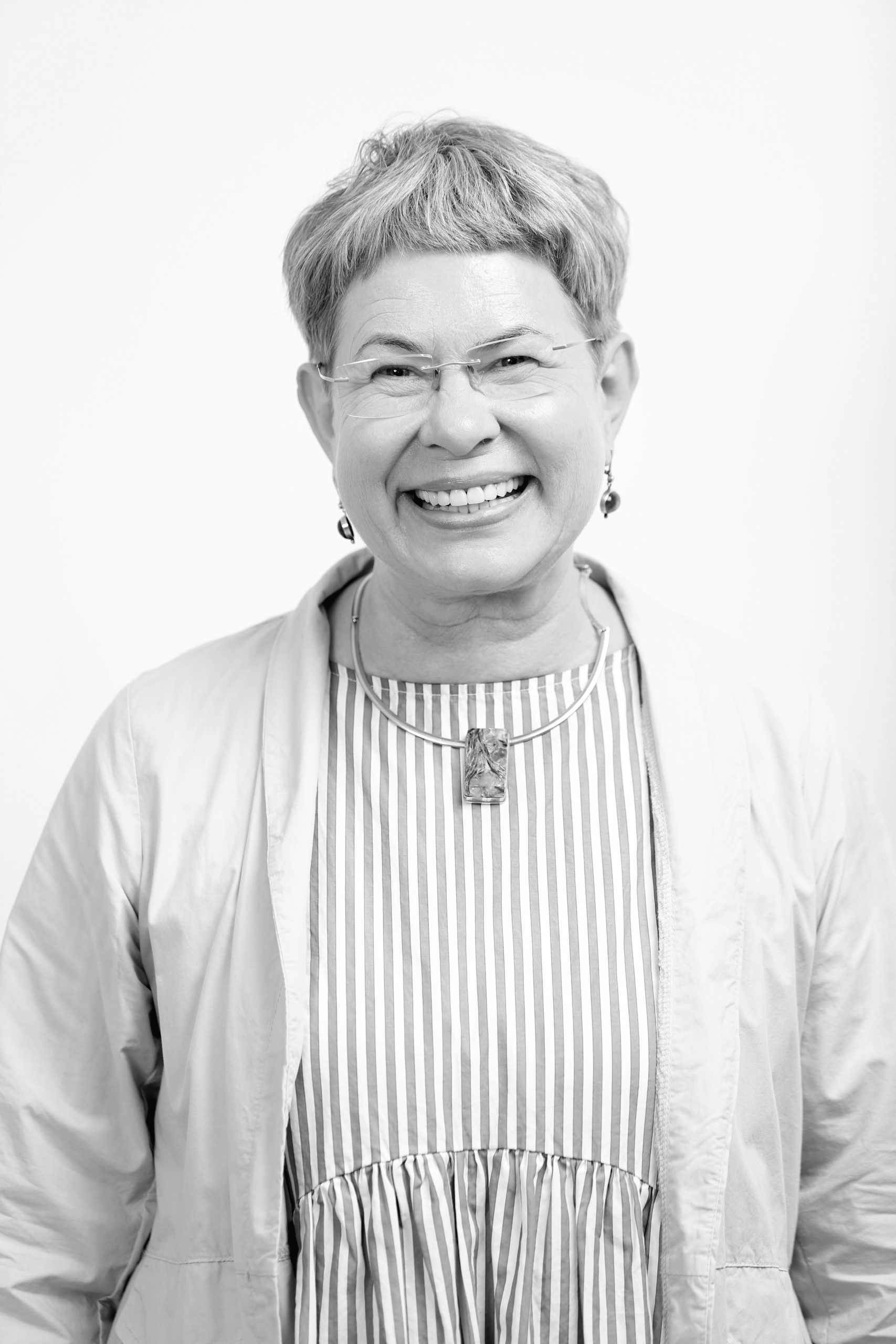
Lena Tashjian is a social justice educator with over twenty years of teaching experience. She earned her Bachelor’s degree from the University of Virginia and her Master’s degrees from Duke University and Middlebury College. She is an immigrant, an activist, a Fulbright alumna, and a National Board recipient who works to center marginalized voices by teaching culturally relevant and responsive literature. Ms. Tashjian is the founder and director of the Baltimore City College Writing Center and the founder and director of the Believe and Achieve Peer Tutoring Association, a non-profit where she works alongside her tutors to open peer tutoring programs in urban public schools nationwide.



Leave a Reply