
The fact that we now have a permanent place has been tremendously significant for the team and also for the students we receive, because they know where to go and how the space will accommodate their work.

The Centro de Escritura y Oratoria (Center for Writing and Public Speaking, CEO) at the Universidad Adolfo Ibáñez in Chile is an excellent reflection of the pillar that characterizes this university: general education in transversal competencies as the basis for any professional specialization. A decade after its creation, the CEO has grown along with the institution. It began in 1953 as a Business School in the city of Viña del Mar, and since then has been expanding its professional training options, adding another branch in Santiago, and today trains specialists in areas such as Law, Civil Engineering, Psychology or Design. The heart of all these careers is the Faculty of Liberal Arts, to which the CEO belongs. The faculty has a strong presence in the curricula, especially in the first years of study. Subjects of Literature, Science, Art, Writing, among others, characterize the curriculum of our students; however, as a Faculty of Liberal Arts we do not have our own professional outlet, i.e., there are no specific degrees in Humanities or, for example, in Literature. This means that we do not have students from these areas who can work as tutors.
In this context, running a center like ours is a huge challenge. The CEO’s goal is to support teachers and students in developing written and oral communication skills at an academic level. We organize tutorials, workshops and pedagogical material, which are offered to all students as an additional support that they can call upon if they need and want it. A first challenge we have identified is to instill in students, most of whom will work in areas such as business, the central importance of developing oral and written communication skills, as most of them do not consider these skills as essential or as relevant in their professional training. The courses of the Faculty of Liberal Arts are the gateway for them to approach the Center from the first year and throughout their career to ensure that they are developing these skills at a level appropriate to the university and professional context.
Secondly, working with tutors is also a challenge. At the beginning, and until a couple of years ago, the tutoring team consisted only of professors of the Writing and Oral Expression subjects, who attended to the needs of the students in a personalized manner. These sessions had a constant call and fulfilled the objective of closely advising those who needed it. However, they functioned as an extension of the same classes, with the same approach and sometimes with the same teacher. Therefore, researching the operation of other writing centers in the world, since the beginning of 2024 we have been progressively incorporating students in this role of tutors. This has allowed us to expand our outreach to other students who seek and need this more horizontal relationship, in addition to growing enormously in visibility within the student body, who can now identify the center with classmates, acquaintances, in short: their peers. When planning this great change, and observing how it was done in the centers we took as a model, our first question was how to find these tutors? What would be the profile we would look for, considering that we do not have students of the Literature or Pedagogy careers?
The work of training these student-tutors has meant, above all, conveying the confidence we have in them and the reasons why we chose them.
At the end of 2023 we opened a call for applications to become a tutor for the Centro de Escritura y Oratoria. There was immediate interest from a specific profile of students: those who had obtained excellent grades in the Argumentative Writing course. This criterion was undoubtedly fundamental, but not the only or the main one; what interested us was their ability to guide others in a personal process of developing a text or an oral presentation. We listened carefully to the recommendations of these students’ teachers, but, above all, a video in which they introduced themselves and explained their motivation for applying as tutors was crucial for their selection. In this recording we could glimpse their charisma and empathy towards the work we were proposing to them, we needed students who were approachable and who transmitted confidence.

Thus, since 2024 we have incorporated three Writing peer tutors to the team. This has allowed the CEO to continue growing, since the commitment to peer tutoring was very well received, and in the middle of the year an additional student also joined the team as a Public Speaking tutor. She joined the team through a different channel: given the success of the Writing peer tutors, we decided to try this option also to accompany oral expression and directly invited an outstanding student to take on the role. The work of training these student-tutors has meant, above all, conveying the confidence we have in them and the reasons why we chose them. Not being pedagogues, but peers from the same diverse careers as the students who come to the CEO, they began their work with nervousness and insecurities about whether they could meet the expectations placed on them. I think they have come a long way in this regard, and in fact, we are very happy that all our tutors have wanted to continue this work for the next academic year; they have formed a well-established team that is becoming more and more visible and positioned within the university.
Another milestone that has marked the growth of the CEO has been the establishment of its own space, which the students have come to recognize as such. Previously, and as tutorials were fewer, each tutor reserved some space such as a study room to summon students who requested tutorials. The fact that we now have a permanent place has been tremendously significant for the team and also for the students we receive, because they know where to go and how the space will accommodate their work; we have tried to make it welcoming and pleasant. Simple details such as having all our materials at hand – blackboard, markers, sheets of paper for writing, a computer – have contributed to the sense of team, to gaining visibility in the university and, for those who are thinking of writing to us to request tutoring, eliminating a certain factor of uncertainty (“where will this be?”) that I am sure is significant in facilitating this access.
The work of a teaching and learning support center such as ours shows that supporting the acquisition of communication skills is a pillar to gain confidence and relate to the environment. In a context in which we strive to convey to our students that expressing themselves effectively and appropriately is essential for any professional, the human and professional quality of those who are part of our team has been the key to achieve that more and more students trust us.
Centro de Escritura y Oratoria de la Universidad Adolfo Ibáñez: el desafío de formar tutores en un proyecto en desarrollo
El Centro de Escritura y Oratoria (CEO) de la Universidad Adolfo Ibáñez en Chile es un excelente reflejo del pilar que caracteriza a esta universidad: la formación general en competencias transversales como base de cualquier especialización profesional. A una década de su creación, el CEO ha crecido junto con la institución. Esta empezó en 1953 como una Escuela de Negocios en la ciudad de Viña del Mar, y desde entonces ha ido ampliando su oferta de formación profesional, añadiendo otra sede en Santiago, y hoy forma a especialistas en áreas como Derecho, Ingeniería Civil, Psicología o Diseño. El corazón de todas estas carreras es la Facultad de Artes Liberales, a la que pertenece el CEO. La facultad tiene una fuerte presencia en las mallas curriculares sobre todo en los primeros años de estudio. Asignaturas de Literatura, Ciencia, Arte, Escritura, entre otras, caracterizan el plan de estudios de nuestros alumnos, si bien como Facultad de Artes Liberales no tenemos una salida profesional propia, es decir, no existen licenciaturas específicas en Humanidades o, por ejemplo, en Letras. Esto implica que no contamos con alumnos de estas áreas que puedan trabajar como tutores.
En este contexto, dirigir un centro como el nuestro es un enorme desafío. El objetivo del CEO es apoyar a profesores y estudiantes en el desarrollo de habilidades comunicativas escritas y orales en un nivel académico. Organizamos tutorías, talleres y material pedagógico, que se ofrecen a todo el estudiantado como un apoyo adicional al que pueden recurrir si lo necesitan y desean. Un primer reto que identificamos es el inculcar en alumnos, que en su mayoría se dedicarán a áreas como los Negocios, la importancia medular de desarrollar competencias comunicativas orales y escritas; pues la mayoría de ellos no considera estos aprendizajes como esenciales o tan relevantes en su formación profesional. Los cursos de la Facultad de Artes Liberales son la puerta de entrada para que se acerquen al Centro desde el primer año y a lo largo de toda su carrera para asegurarse de estar desarrollando estas competencias a un nivel adecuado al contexto universitario y laboral.
En segundo lugar, es también un desafío el trabajo con los tutores. En un inicio, y hasta hace un par de años, el equipo de tutores estaba formado solo por docentes de las asignaturas de Escritura y Expresión Oral, quienes atendían de manera personalizada las necesidades de los alumnos. Estas sesiones tenían una convocatoria constante y cumplían con el objetivo de asesorar cercanamente a quienes lo necesitaban. Sin embargo, funcionaban como una extensión de las mismas clases, con igual enfoque y a veces con el mismo docente. Por eso, investigando el funcionamiento de otros centros de escritura en el mundo, desde inicios de 2024 hemos ido incorporando progresivamente a estudiantes en este rol de tutores. Esto nos ha permitido ampliar nuestra llegada hacia otros estudiantes que buscan y necesitan esta relación más horizontal y, además, crecer enormemente en visibilidad dentro del alumnado, que pueden ahora identificar el centro con compañeros, conocidos, en fin: sus pares. Al planificar este gran cambio, y observar cómo se hacía en los centros que tomamos como modelo, nuestra primera interrogante fue ¿cómo encontrar a estos tutores? ¿Cuál sería el perfil que buscaríamos, asumiendo que no tenemos estudiantes de la carrera de Letras ni de Pedagogía?
A fines de 2023 abrimos una convocatoria para postular como tutor del Centro de Escritura y Oratoria. Inmediatamente hubo gran interés por un perfil específico de alumnos: aquellos que habían obtenido notas excelentes en la asignatura de Escritura Argumentativa. Este criterio sin duda era fundamental, pero no el único ni el principal; lo que nos interesaba era su capacidad de guiar a otros en un proceso personal de desarrollo de un texto o de una presentación oral. Escuchamos con atención las recomendaciones de los profesores de estos estudiantes, pero, sobre todo fue crucial para su selección un video en que se presentaban y contaban cuál era su motivación para postular como tutores. En esta grabación se podían entrever su carisma y empatía hacia la labor que les proponíamos, necesitábamos alumnos cercanos y que transmitieran seguridad.
Así, desde 2024 incorporamos tres tutores pares de Escritura al equipo. Esto ha permitido al CEO continuar creciendo, ya que la apuesta por un acompañamiento entre pares fue muy bien recibida, y a mediados de año se incorporó también una alumna adicional como tutora de Oratoria. Su entrada al equipo fue por un canal diferente: ante el éxito de los tutores pares de Escritura, decidimos probar esta opción también para acompañar la expresión oral e invitamos directamente a una alumna destacada a tomar el rol. La labor de formación de estos alumnos-tutores ha significado, sobre todo, transmitir la confianza que tenemos en ellos y las razones por las que los escogimos. Al no ser pedagogos, sino compañeros de las mismas carreras diversas que los alumnos que acuden al CEO, comenzaron su trabajo con nerviosismo e inseguridades acerca de si podrían cumplir con las expectativas puestas en ellos. Creo que han avanzado mucho en ese aspecto, y, de hecho, nos alegra muchísimo que todos nuestros tutores hayan querido continuar en esta labor para el siguiente año académico; se ha formado un equipo afianzado que cada vez tiene más visibilidad y posicionamiento dentro de la universidad.
Otro hito que ha marcado el crecimiento del CEO ha sido la instalación en un espacio propio, que los alumnos van reconociendo como tal. Previamente, y como las tutorías eran menos, cada tutor reservaba algún espacio tal como una sala de estudio para citar a los alumnos que solicitaban tutorías. El hecho de contar ahora con un lugar permanente ha sido tremendamente significativo para el equipo y también para los alumnos que recibimos, pues saben dónde dirigirse y cómo es el espacio que los recibirá para trabajar, el que hemos intentado hacer acogedor y agradable. Detalles sencillos como el tener a la mano todos nuestros materiales -pizarra, plumones, hojas de papel para escribir, computador- han contribuido al sentido de equipo, a ganar visibilidad en la universidad y a que quienes piensan escribirnos para solicitar asesoría eliminen cierto factor de incertidumbre (“¿dónde será esto?”) que estoy segura es significativo para facilitar este acceso.
La labor de un Centro de apoyo a la docencia como el nuestro demuestra que el acompañamiento en la adquisición de habilidades comunicativas es un pilar para ganar confianza y relacionarse con el entorno. En un contexto en que nos esforzamos por transmitir a nuestro alumnado que el expresarse de manera efectiva y adecuada es esencial para cualquier profesional, la calidad humana y profesional de quienes forman parte de nuestro equipo ha sido la clave para lograr que cada vez más estudiantes confíen en nosotros.

About the Author / Sobre La Autura
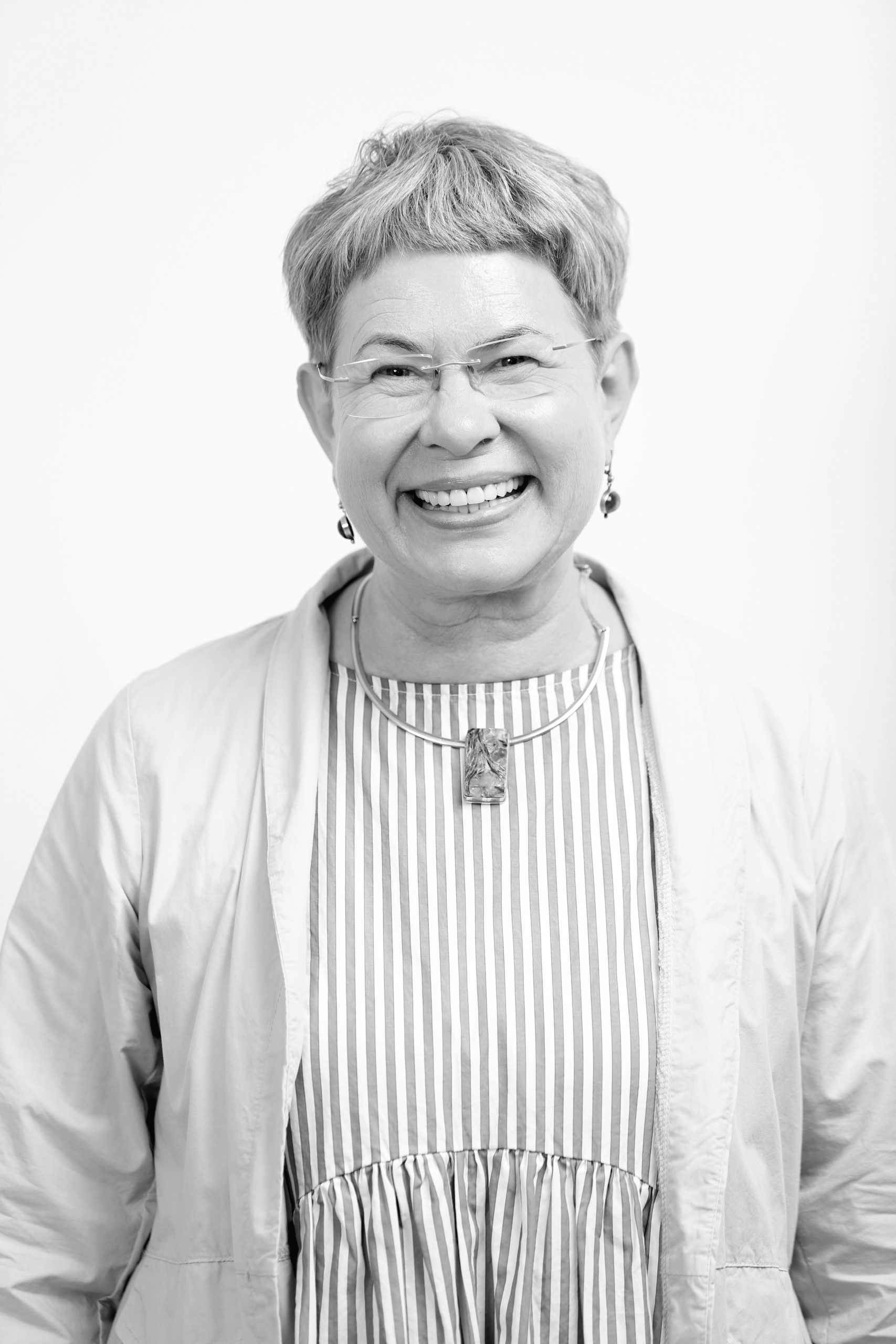
Catalina Insausti es Doctora en Filología Española por la Universidad Autónoma de Barcelona, España (2020). Desde 2021 es parte del cuerpo docente de la Universidad Adolfo Ibáñez en Santiago, Chile y desde 2023 dirige el Centro de Escritura y Oratoria de la Facultad de Artes Liberales. Además de impartir cursos de Escritura, Literatura y Expresión oral, su investigación se focaliza en los procesos de cambio lingüístico desde una perspectiva histórico-gramatical.
Catalina Insausti holds a PhD in Spanish Philology from the Universidad Autónoma de Barcelona, Spain (2020). Since 2021 she is part of the faculty of the Universidad Adolfo Ibáñez in Santiago, Chile and since 2023 she directs the Center for Writing and Public Speaking of the Faculty of Liberal Arts. In addition to teaching courses in Writing, Literature, and Oral Expression, her research focuses on the processes of linguistic change from a historical-grammatical perspective.



Leave a Reply