
When Individuality Becomes One’s Path
A university student’s first experience in academic writing often begins with having numerous ideas, underdeveloped paragraphs, and a sense of confusion about how everything fits in. However, this signals the first step into exploring and articulating their individuality. This is where the Writing Center (WRC) in the American University of Kuwait (AUK) plays a guiding role, helping students shift from uncertainty to finding their voice.
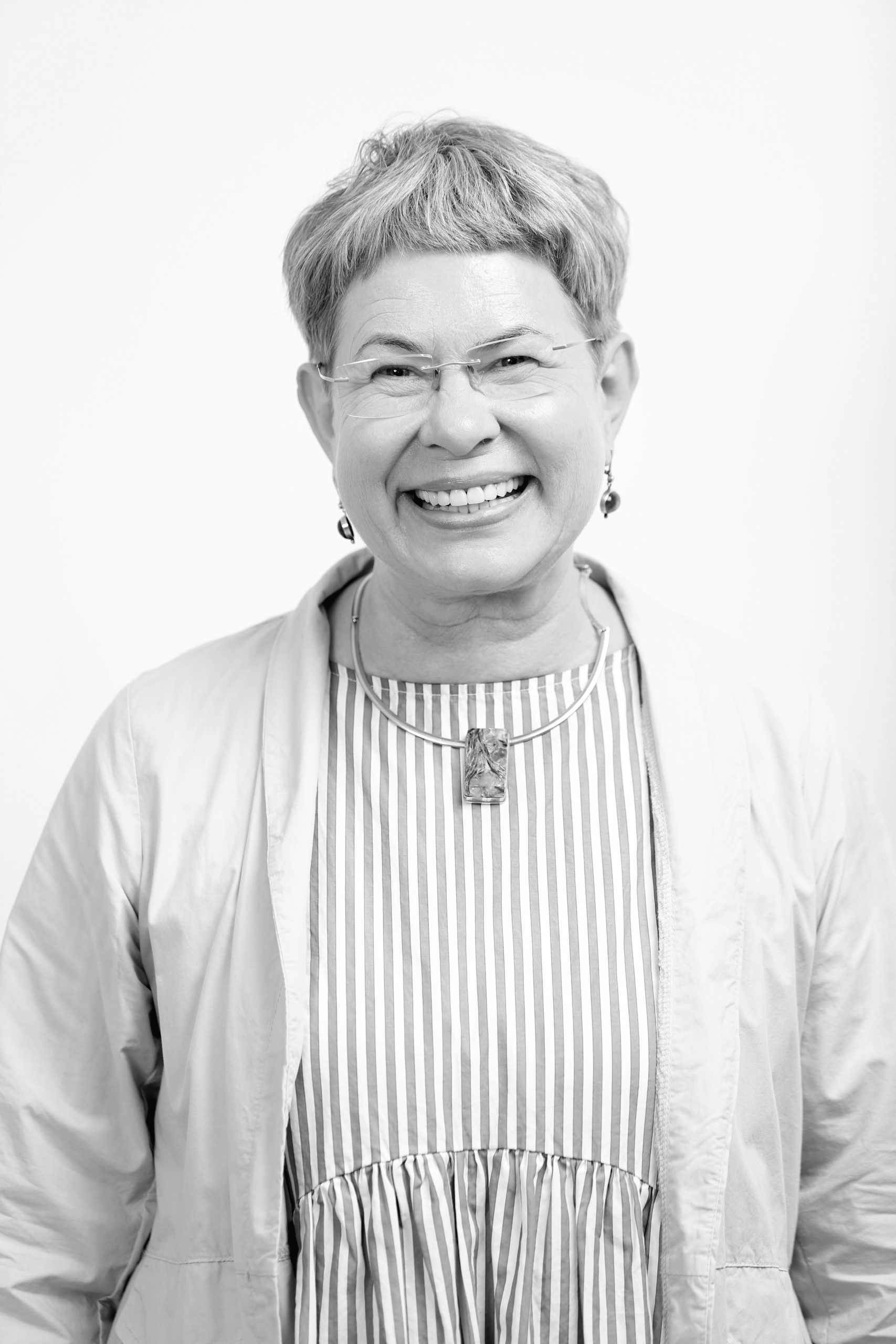
Founded in 2005, the WRC at the American University of Kuwait was the first writing center established in the Gulf region, developed in a liberal arts environment, that unites students despite their diverse linguistic and cultural backgrounds. The center was initially located in a classroom, a modest area and designed to support students in developing their writing skills. One perspective that reflects this growth of the center is from Ms. Hala Botros, the WRC manager and an alumna of the AUK. During an interview, she shared how her understanding of the Writing Center gradually deepened through her professional journey.
Ms. Botros explained how her academic background in communication connected closely with the WRC’s prioritizing individuality and process-based learning. She said that the WRC focuses on exploring students’ own ideas rather than sticking to a fixed structure; it is grounded in dialogue and expression. As part of her training, she learned how to communicate for different purposes in different ways with different people including students, faculty, staff members, and other departments. These skills became important in an environment where writing is shaped by discussion and reflection. Over time, she realized how well of a fit her communication background became her way to assist students to gain confidence in their way of thinking, making their individuality become the central part of writing.
In her beginnings at the WRC, Ms. Botros mentioned that her training process was based on observation and participation rather than specific guidelines. At the center, writing is approached differently and is more fluid. She came to understand that you do not have to be an “expert writer” to start creating your own pieces. Every writer needs a reader, and that’s what the WRC provides. By acting as that reader, consultants make students reflect on what they want to communicate and how to present these ideas. Therefore, Ms. Botros describes her initial training experience as being heavily grounded in observation, reflection, and participation in sessions to understand how this practice differs from classroom writing. It bridges the gap between classroom experience and the student’s skills as a writer.
The WRC staff also prioritize training their student consultants to engage as collaborators in their training program. Currently, the center employs nine student consultants, a number that fluctuates each semester depending on students’ eligibility and availability. During the program, student consultants learn how to discuss different topics, work collaboratively, and support other students in discovering their potential in writing and reading. The staff also train student consultants on how to help other students communicate effectively and think critically about texts and ideas. Moreover, the duration and intensity of the training program differ depending on each student consultant’s needs. It varies with some consultants completing the program in weeks while others need several months.
This approach to training directly aligns with the university’s broader academic mission. The university’s goal emphasizes teaching, learning, scholarship, and offering programs that give students the knowledge and skills needed for lifelong learning and professional success. AUK aims to foster critical thinking, effective communication, personal growth, service, and leadership. Therefore, these values are mirrored in the work of the WRC, which offers academic support, and helps students gain a sense of leadership by taking ownership of their ideas and their writing. Through negotiating the meaning of their texts, they gain agency and learn to stand up for what they want to say. In that way, the WRC embodies AUK’s mission.

This philosophy evolved into the culture of the WRC itself as well. It has become a community rather than a service, now located in a larger space enclosed by writable glass. This invites students to claim the space and write openly, sketch creatively, draft sentences, and leave behind traces of previous sessions.
This allows students’ individuality to be celebrated and shared rather than erased. Also, Ms. Botros has introduced multilingual initiatives that reflect the diverse linguistic realities AUK students have. The WRC recognizes that students often express their ideas more freely and openly in more than one language. Therefore, the center integrates diverse linguistic backgrounds through their consultants who speak languages such as Arabic, Spanish, French, and Italian. This provides the students with a space where ideas could be negotiated across different languages rather than limited to English only. In doing so, multilingualism becomes the students’ strength in building confidence, connecting ideas across cultures, and most importantly embracing one’s individuality.
Ms. Botros lastly mentioned her perspective on the emergence of AI and how it has changed the nature of the WRC visits more than their number. She noted that AI has promoted more reflective conversations instead of reducing visits. Students will always seek a reader or a consultant to share their ideas with, clarify meaning, and think of ways to present them.
The center serves approximately 500 students each year and what Ms. Botros finds fulfilling is the instant progress that happens within one session. Ms. Hala expresses that a sense of gratification comes to her when a student understands something, gains confidence, and successfully negotiates the meaning to express their individuality.
Overall, Ms. Botros’ journey at the WRC in the AUK reflects the role of the center as a space that provides its students with guidance through exploration, refinement. The center’s growth since its beginnings, its strong training practices, and inclusive philosophy collectively help the development of student voice, confidence, diversity in a liberal arts community.






Leave a Reply