|
|
|
|
|
|
|
|
Dear readers, subscribers, and colleagues,
|
We're joining the chorus here to exclaim "What a year it's been!" Like countless others, we here at CWCAB have faced challenges that have touched our family lives, our communities, our teaching, our administrative work, and our sense of hope. Nonetheless, like countless others, we keep forging ahead and finding solace in our connections, our routines, and the honor of serving with you!
|
Our work for the blog has kept us motivated and engaged. In particular, our new podcast, Slow Agency, has been a source of inspiration and joy. It has been a gift to meet and talk with brilliant colleagues all over the world and to be reminded of the important work we in our field are committed to. Through these conversations and our other published pieces, we've traveled to South Africa, Colombia, Hong Kong, Uganda, and Japan. In a time when travel across geographic borders is much more constrained, we've found a way to stay adventurous!
|
We hope you enjoy listening to our podcast conversations and learning from our colleagues and contributors as much as we enjoyed working with them. May all of you find peace and abundant rest and renewal this season. We look forward to reconnecting with you once again as we face another year of uncertainties together.
|
|
-- Anna, Esther, and Weijia
|
|
|
|
Season 2 of the Slow Agency Podcast
|
Created and hosted by your CWCAB editors, the goal of this podcast is to open up time and space in this productivity-saturated culture to slow down and dialogue with leading thinkers and practitioners in writing studies worldwide. The title of the podcast is inspired by Laura Micciche's 2011 article titled For Slow Agency. Let’s listen, process, think, and dialogue about ideas and issues that either directly or tangentially impact writing center praxis.
|
|
|
|
|
|
|
|
|
|
|
|
|
|
|
|
|
|
|
|
In this piece, Dr. Deans shares the plan under consideration, which follows on months of consultations with administrators and writing instructors.
|
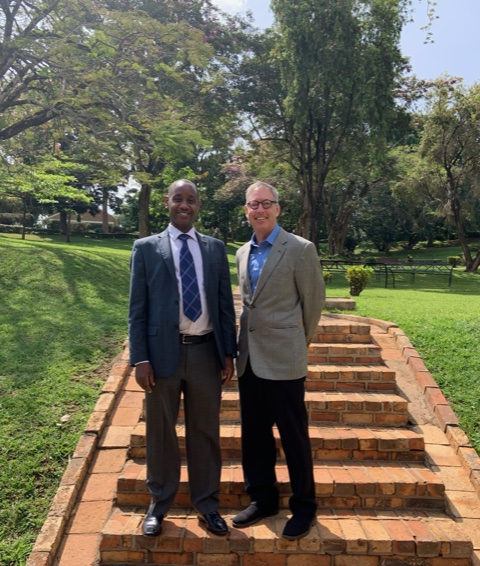
This is the third installation of his reflections on consulting and collaborating on a writing center project at Uganda Christian University.
|
|
|
|
|
|
Dr. Deans and UCU professors and lecturers Yvonne Birungi, Martin Kajubi, Lilian Lyavaala, Bernard Ochan, and Pamela Tumwebaze share their progress in creating the writing center.
|
This is the second installation of his reflections on consulting and collaborating on a writing center project at Uganda Christian University.
|
|
|
|
|
|
What role might a Fulbright scholarship play in starting a writing center abroad? Dr. Tom Deans gives us insights into that question.
|
This is the first installation of his reflections on consulting and collaborating on a writing center project at Uganda Christian University.
|
|
|
|
|
|
|
|
We would like to thank Martha Olson, Sutraphorn Tantiniranat, Dr. Molly McHarg, and Weraphon Carmesak for introducing the HU-SO English Writing Centers in Thailand and Dr. Jose Lai who directs the Peer Tutoring Scheme at the Chinese University of Hong Kong.
|
|
|
|
|
|
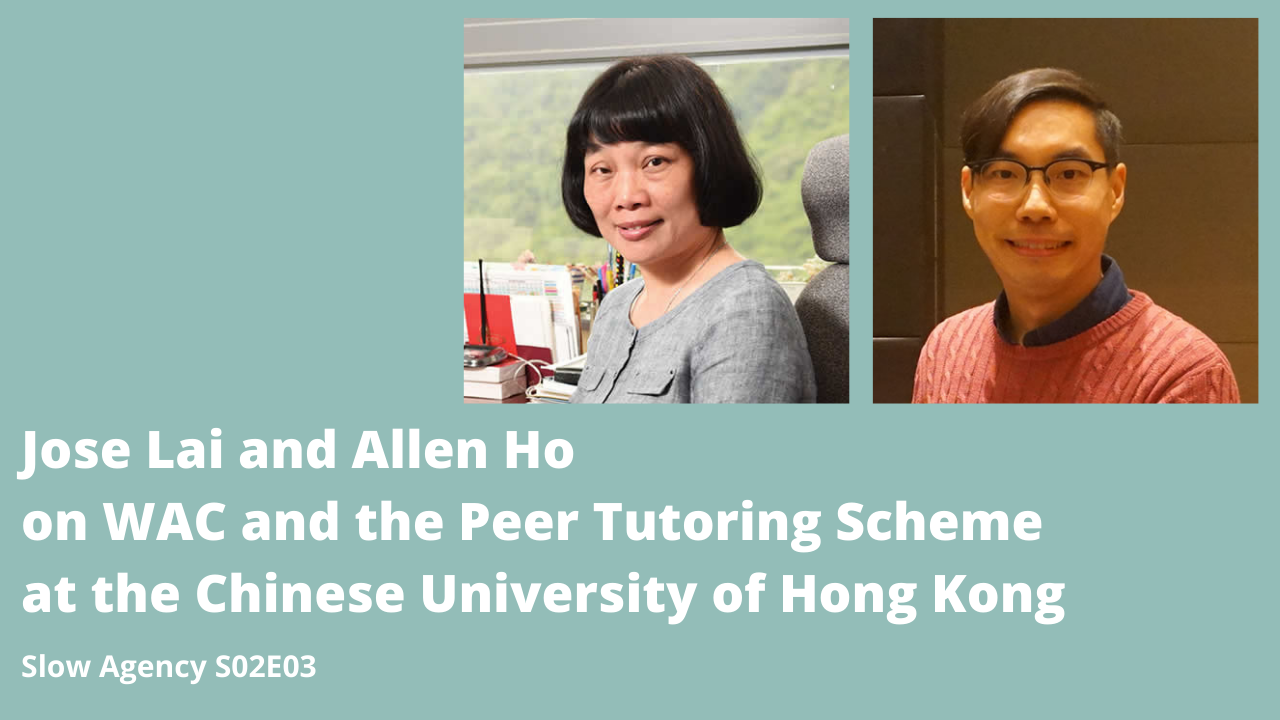
The Chinese University of Hong Kong (CUHK), a comprehensive research university was established in 1963. It is the only university in Hong Kong that adopts a bilingual language policy whereby both English and Chinese are considered official languages on campus. The Peer Tutoring Scheme (PTS) provides similar individualized support to students the way that Writing Centers do in North America. Yet, its implementation may differ in some way due to differences in context.
|
|
|
|
|
The HU-SO English Writing Center at Burapha University, in Chon Buri, Thailand, was the result of one administrator’s vision, followed by a series of serendipitous coincidences.
|
|
|
|
|
|
|
We aggregate announcements from various listservs for your convenience. Get immediate notifications when your colleagues share new articles on the blog.
|
|
|
|
|
You will receive a confirmation email asking you to confirm your subscription.
|
|
Please click to make sure you receive notifications.
|
|
|
|
|
|