|
|
|
|
|
|
September/October 2023 Newsletter
|
|
|
|
|
Hello Writing Center friends!
|
Thanks for subscribing to the WLN Blog newsletter.
|
Good news! You might have heard that WLN: A Journal of Writing Center Scholarship and its blog, Connecting Writing Centers Across Borders, moved to our new home in the WAC Clearinghouse. Thanks for your support during this move!
|
More good news! Our newsletter digests are back. Here’s the latest digest of posts from the WLN blog.
|
From writing center director reflections on AI and the writing center to advice about maintaining your center’s risk management plans, there’s a lot to read and discuss. Please leave a comment on the posts to share your thoughts with the writers.
|
We’ll be back a month from now. (We don’t want to clutter your inbox!) Between now and then, if you’ve got a writing center issue you would like to write about on the blog or wish we could discuss, email wlnblog.editors@gmail.com.
|
Anna Habib, Esther Namubiru, & Weijia Li
|
|
|
|
|
|
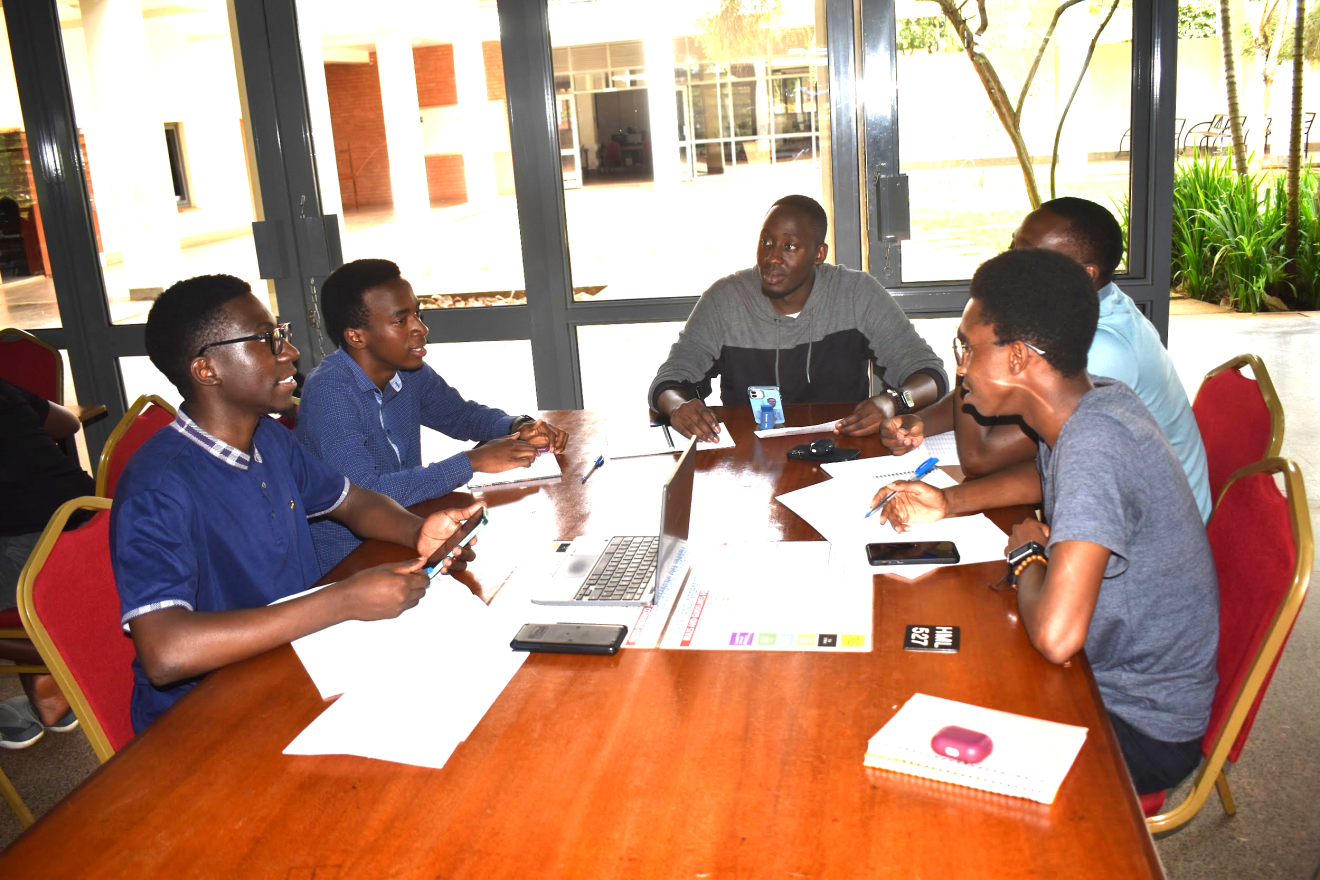
We cannot believe it’s already been a year since the team at Uganda Christian University joined our blog to share their experiences proposing the Writing Center. The center officially opened in August 2022. Mr. Martin Kajubi, the Acting Manager of the center, joined us again to share how he and his team are adapting the U.S. writing center model to suit the students’ contexts.
|
|
|
|
|
|
|
|
Join us as we re-read Dr. Lisa Bell’s article about how to navigate expectations about embracing more online tools for the center and still remain effective, adaptable, and professional.
|
|
|
|
|
|
|
|
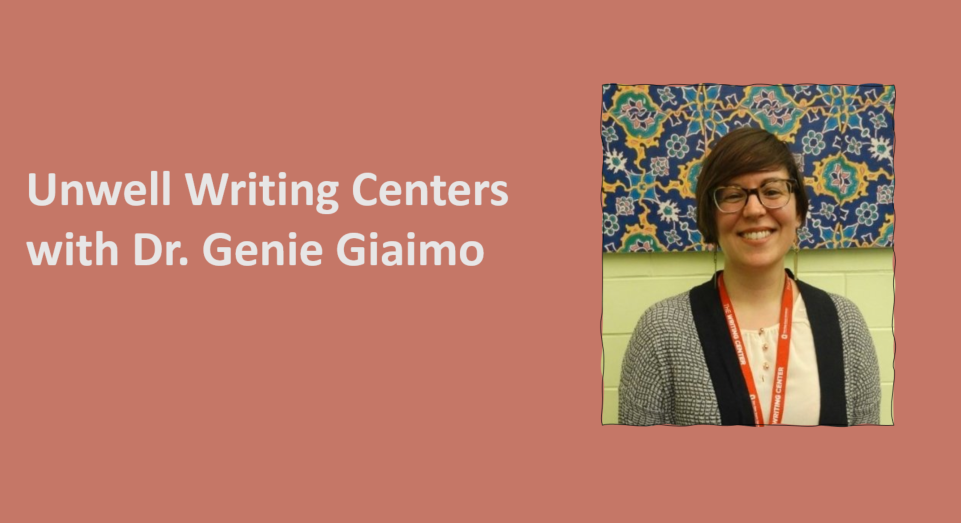
Slow Agency is back with another round of insightful conversations about writing, writing centers, and the people who make them work for students. On this episode, we invited Dr. Genie Giamo to help us unpack the meaning of an un-well writing center, which she writes about in her book Unwell Writing Centers: Searching for Wellness in Neoliberal Educational Institutions and Beyond.
|
|
|
|
|
|
|
|
From Dr. Graham Stowe: I don’t have practical use concerns, though, really. On the whole, writing center directors and scholars are thoughtful, ethical people who aren’t inclined to make rash decisions. We make our living talking about writing and helping teach other folks how to talk about writing, and we have really good evidence that it works.
|
I do, however, have deep theoretical and, ultimately, existential concerns.
|
|
|
|
|
|
|
|
WLN: A Journal of Writing Center Scholarship has become a member of the WAC Clearinghouse family of open-access publications. You can read the latest issue of WLN (Volume 48, Issue 1) on its new web page (https://wac.colostate.edu/wln/) along with nearly 400 past issues of the journal, two digital collections, and numerous resources of interest to the writing center and writing studies community. You can view Connecting Writing Centers Across Borders at https://wlnconnect.org.
|
|
|
|
|
|
|
|
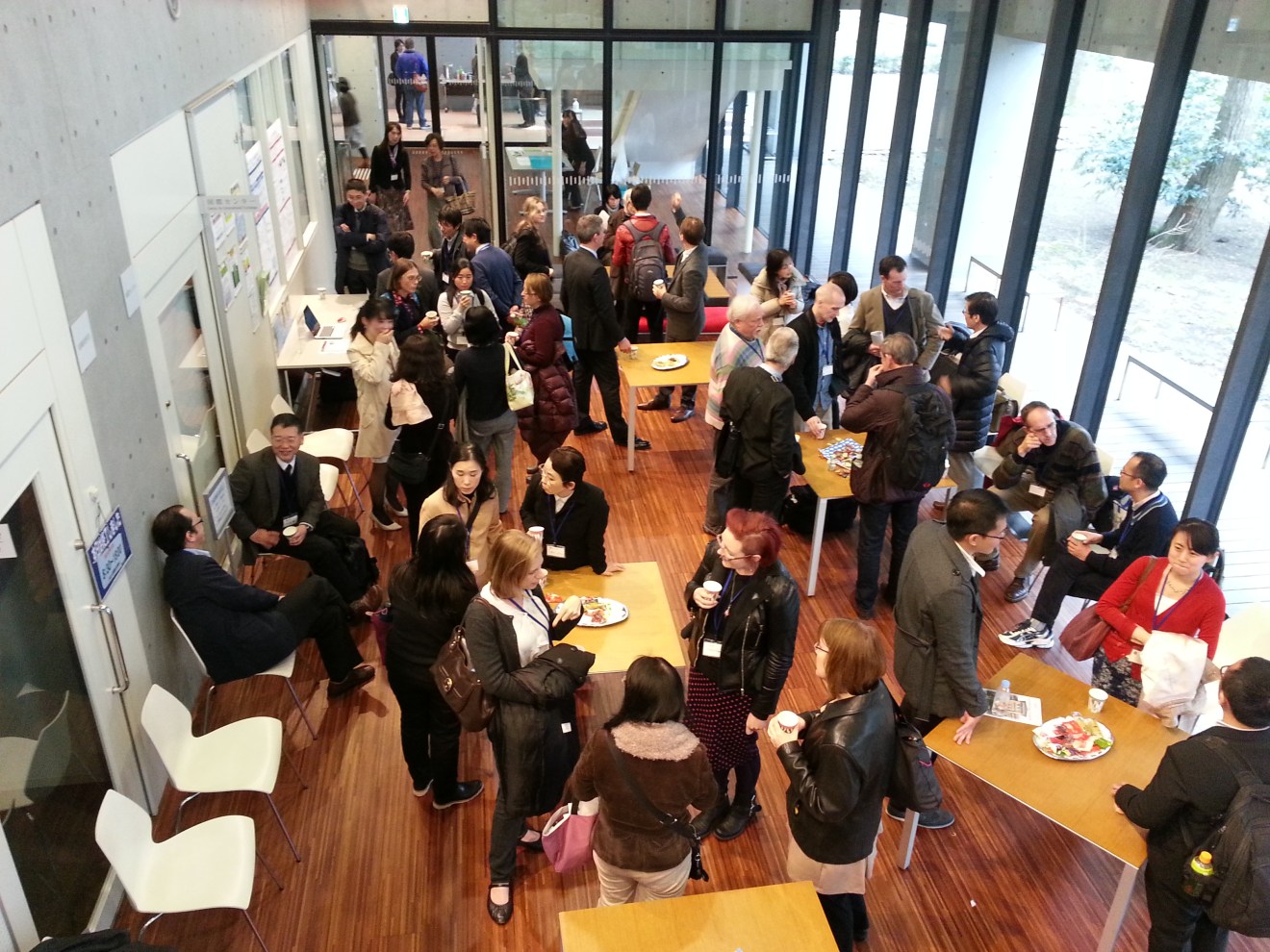
While the first writing center in Japan opened in 2004, it wasn’t until a few years later that moves were taken to build a cross-institutional community to discuss the latest research and practice related to writing centers and writing education. The first symposium in Japan on writing centers was held at the University of Tokyo in 2009, followed two years later by the establishment of the Writing Centers Association of Japan. Ever since, WCAJ’s annual Symposium on Writing Centers in Asia has been a pivotal gathering for participants in a variety of positions at many institutions. The symposiums have played an essential role in building social networks and in sharing the practices and challenges individual centers face.
|
|
|
|
|
|
|
|
|
|