|
|
|
|
|
|
|
|
As our semester and our year winds down and we reflect on all the happenings in our own lives and on the blog, we want to end by focusing on gratitude. We want to thank you, our readers and listeners, for bringing us questions and ideas that have helped us and our colleagues around the world work out how to interrupt/disrupt the status quo in their writing centers and open up space for new possibilities in writing center praxis.
|
Here are five highlights from the year:
|
- Over 15 writing center directors and scholars from 8 countries shared their experiences and insights via articles and podcast episodes. Scroll below to see who they are and what they are thinking about.
- 126 subscribers joined our blog readers’ newsletter readership in 2022.
- With listeners from over 30 countries including the U.S., Netherlands, Brazil, India, and Mexico, the blog’s podcast Slow Agency has traveled around the world since 2021.
- “How do we apply antiracism in the writing center?” was the most popular theme on the Slow Agency. Head to our website to hear Asao Inoue and Laura Greenfield discuss this issue in our long-form interviews. And, for a practical guide on applying antiracism in your center, check out Graham Stowe’s "Dear CWCAB" episode.
- Our FIRST of many WLN Author Conversations was released thanks to Lucie Moussu. Scroll down to see her episode on “The Ultimate Guide to Poorly Designed Research Projects”, published in the September 2022 issue of WLN: A Journal of Writing Center Scholarship.
Getting to work with all of you inspires and energizes us. We are especially grateful for our editorial colleagues at the WLN journal, for Graham Stowe and Stacia Moroski-Rigney who have spent many hours with us working on the Dear CWCAB articles and podcast episodes, for Mickey Harris who keeps all of us motivated and inspired, and for you all. Your support and your belief in the value of this work are the reasons we keep coming back. Thank you.
|
Please scroll down and enjoy the articles and podcast episodes you helped bring to life in 2022. We're pleased to showcase all of these great global writing centers and writing projects.
|
We'll be off for a four-week rejuvenation and restoration break. We hope you are all able to do the same, and we look forward to bringing you more generative content next year.
|
And we invite you to send us some of your significant writing center / writing studies moments. Please email us!
|
|
-Anna, Esther, and Weijia
|
|
|
|
|
|
|
|

|
I quickly realized that the real challenge involved educating writing tutors so as to infuse a collaborative and horizontal approach to our practice. This ultimately implies a shift in the learning culture with respect to writing in Mexican higher education; here, writing has not traditionally been associated with critical thinking, reflection, and self-positioning. Moreover, writing instruction in Mexico has historically focused more on the product with an emphasis on correction, which makes peer tutoring such a different approach.
|
|
|
|
|
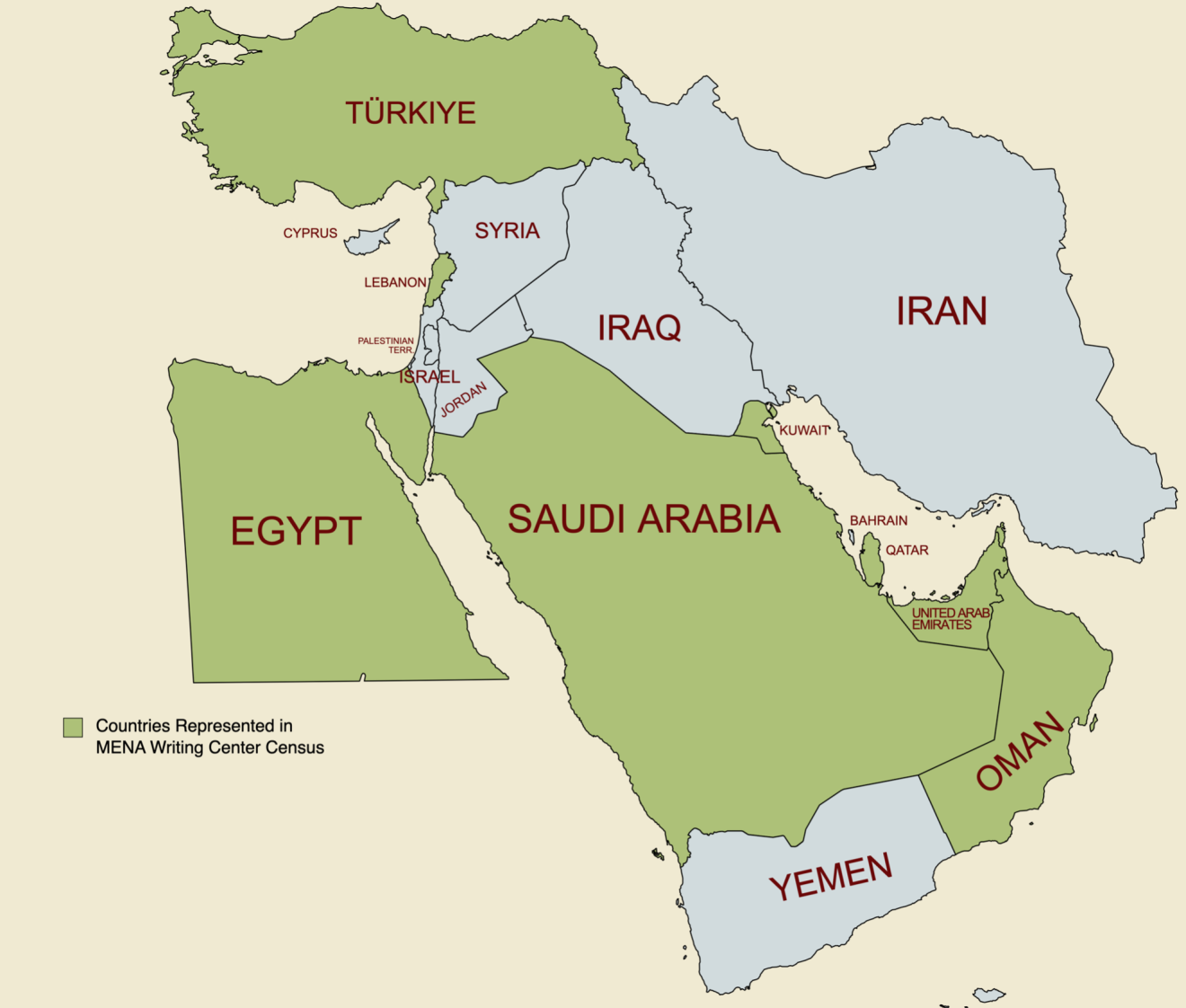
There was a very strong need to build the research infrastructure in the region and to increase the number of MENA voices in writing center scholarship. Thus, the co-authors of this blog post formed a research team and received the summer 2020 IWCA research grant to begin the process of developing a knowledge database of MENA writing centers.
|
|
|
|
|
|
We would like to thank Livia Reis, Eliza Araújo, Andressa Molinari from Universidade Federal Fluminense and Ron Martinez; and Margaret Bugingo the University of Connecticut for their contribution. Our goal is to keep adding more international writing centers to our map. Would you like to see your writing center featured? Email us.
|
|

|
|
|
|
|
|
|
|
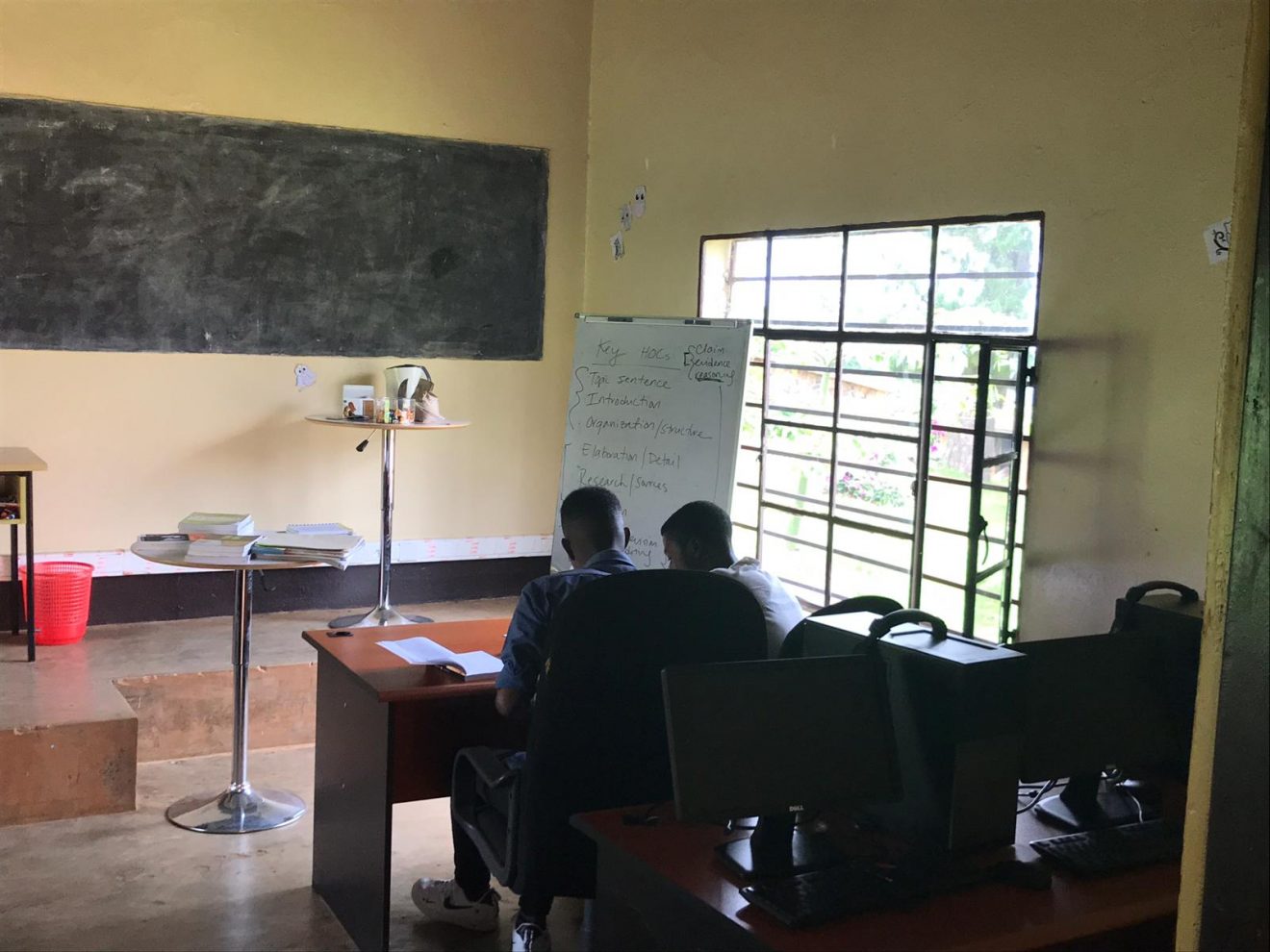
In 2019, Margaret Bugingo, passionate educator and aspiring language learner, founded the IPRC-Huye English Language Center as a component of her Fulbright work in Rwanda to support those English Language Learners who wished to further develop their writing. Based in a more rural city in Rwanda, once the main “university city” in the country, IPRC-Huye now houses the first documented writing center in Rwanda.
|
|
|
|
|
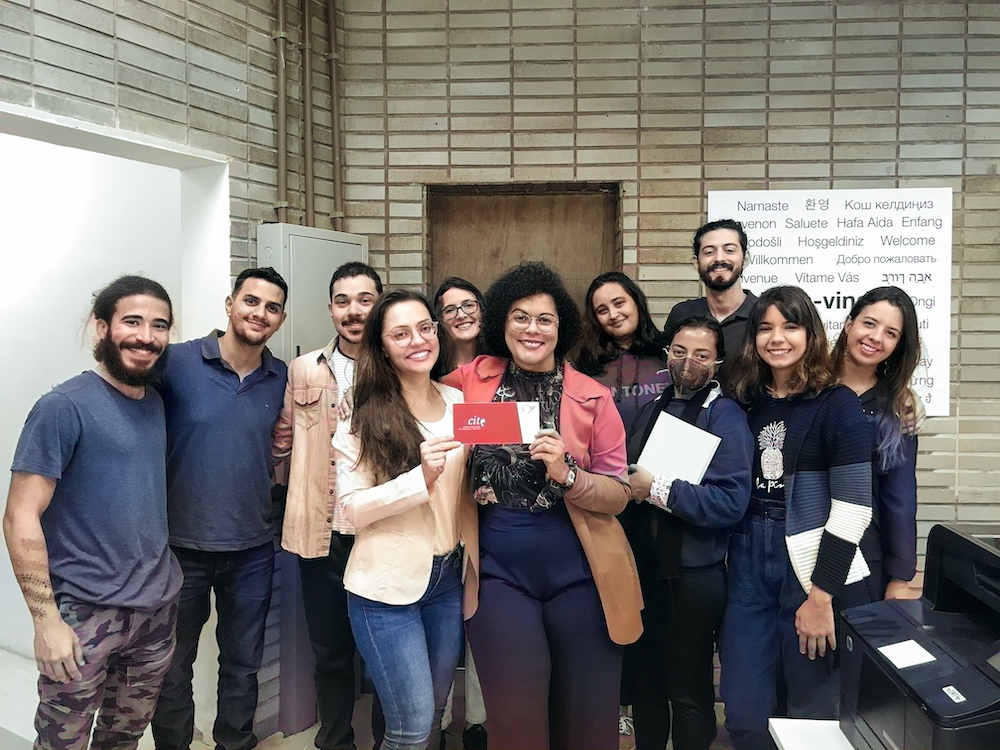
The writing center scene emerging in Brazil may break with a lot of the canon in the field, but in responding to specific local needs, may also be creating its own epistemology, methodology and unique contribution to writing center knowledge and practice.
|
|
|
|
|
|
The Slow Agency Podcast
|
Created and hosted by your CWCAB editors, the goal of this podcast is to open up time and space in this productivity-saturated culture to slow down and dialogue with leading thinkers and practitioners in writing studies worldwide. The title of the podcast is inspired by Laura Micciche's 2011 article titled For Slow Agency.
|
|
|
|
|
|
|
|

|
In this episode, Esther Namubiru, our Associate Editor of the CWCAB blog, spoke with Dr. Lucie Moussu, Writing Center Director at the Royal Military College in Kingston, Ontaria, Cananda on her recent article titled The Ultimate Guide to Poorly Designed Research Projects, published on the September 2022 issue of WLN: A Journal of Writing Center Scholarship. A transcript of this conversation is available for download.
|
|
|
|

|
For this episode, we invited Lillian Lyavaala (Uganda Christian University, Uganda), Rose Richards (Stellenbosch University, South Africa), and Tom Deans (University of Connecticut, USA) for a round table discussion on the state and trends of writing centers in Sub-Saharan Africa.
|
|
|
|
|
|
|
|
In this episode, we spoke with the team of Write to Remember August 4th from Lebanon. We hope this episode inspires you to think about writing as a way for trauma healing and civic engagement.
|
|
|
|
|
|
|
|
Dear CWCAB provides answers and updates to perennially asked questions on writing center theory and practice, guest authored by Dr. Graham Stowe. We look forward to the blog becoming a clearinghouse, centralizing a curated list of answers and resources for new WC administrators and for those starting new projects.
|
|
Do you have a question for Graham? Comment under a post or email us.
|
|
|
|
|
|
|
|
I have a question that I was hoping to get some guidance on: as a lecturer, I find it easier to implement antiracist writing practices (e.g., being accepting of all language varieties) than I do in the writing center. Mainly, I find it hard to be open when other instructors might not be. Do you all have some actionable steps I can take to make this much less of an issue?
|
|
|
|
What are some new services or approaches others are using to expand and move their writing centers forward?
|
|
|
|
|
|
Rewind & Reset
|
|
We've been featuring past WLN articles on Rewind & Reset as a way to create more synergy between the journal and the blog. Here is the latest:
|
|
|
|
|
|
|
|
In this article, Paul Barron and Louis Cicciarelli described two approaches to help dissertation writers look at their work with storytelling and mapping. We hope this provides you new ideas about working with writers and tutor education.
|
|
|
|
|
|
We aggregate announcements from various listservs for your convenience. Get immediate notifications when your colleagues share new articles on the blog.
|
|
|
|
|
You will receive a confirmation email asking you to confirm your subscription.
|
|
Please click to make sure you receive notifications.
|
|
|
|
|
|
|